Passaic

City of Passaic, NJ
Mayor: Hector C. Lora
County: Passaic County
Year Incorporated: 1873
Population: 71,337
Land Area: 3.13 sq. miles
Population Density: 22,514.2 people per sq. mile
Type: Urban
Last Master Plan Update: 2024
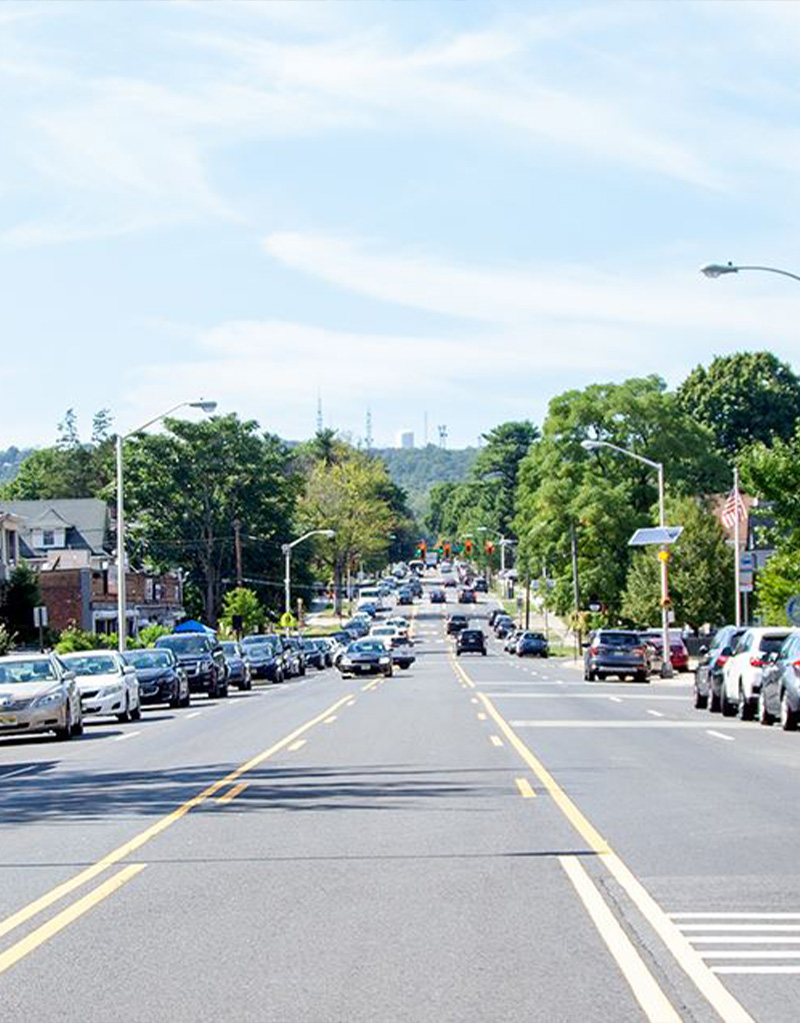
Passaic is a diverse, densely developed community in Passaic County, located along the Passaic River approximately 10 miles west of New York City. With more than 70,000 residents within just over three square miles, the City combines established residential neighborhoods, active commercial corridors, civic institutions, schools, parks, and a wide range of cultural and community resources. Its compact urban form and central location make Passaic an important regional center for residents, businesses, and services.
Passaic’s neighborhoods include a mix of residential, commercial, and community destinations that support opportunities for walking and everyday activity. Parks and recreational facilities provide important opportunities for physical activity, social interaction, and community gathering. The City continues to invest in park improvements, including upgrades to playgrounds, walking paths, sports fields, and green spaces.
Transportation is an important part of daily life in Passaic. The City is served by NJ Transit rail and bus service, local jitney routes, and a free municipal shuttle connecting residential neighborhoods, business districts, recreational areas, and the train station. The City is also advancing plans for a new Main Avenue transit hub and improvements designed to strengthen pedestrian, bicycle, and transit connections.
Public health data highlight significant socioeconomic, environmental, and health challenges in Passaic. More than half of residents are estimated to live below twice the federal poverty level, while 24.1% were uninsured during the 2016–2020 period. Environmental and built-environment concerns include elevated air pollution risk, contaminated sites, older housing—with approximately 61% of homes built before 1950—and exposure to heavy traffic, with nearly one in five residents living within 1,000 feet of a major roadway. Residents also experience higher rates of COPD, diabetes, obesity, smoking, and physical inactivity, along with greater levels of disability, food insecurity, housing insecurity, and transportation barriers. Together, these factors highlight opportunities to improve health equity, strengthen access to essential resources, and create healthier living environments throughout the City.
Passaic’s compact neighborhoods, diverse commercial districts, public transportation, parks, and strong community institutions provide a foundation for improving health and quality of life. Building on these assets while addressing housing conditions, environmental health, transportation safety, food and housing security, and equitable access to essential resources can help create a healthier, more connected, and resilient community.